Jaisalmer Fort, Rajasthan: A Golden Desert Marvel – 2026 Travel Guide

Journey Through Ancient History: Discover Akal Wood Fossil Park in Jaisalmer
May 5, 2026
Ultimate Jaisalmer Food Bucket List: 10 Local Dishes to Try
May 30, 2026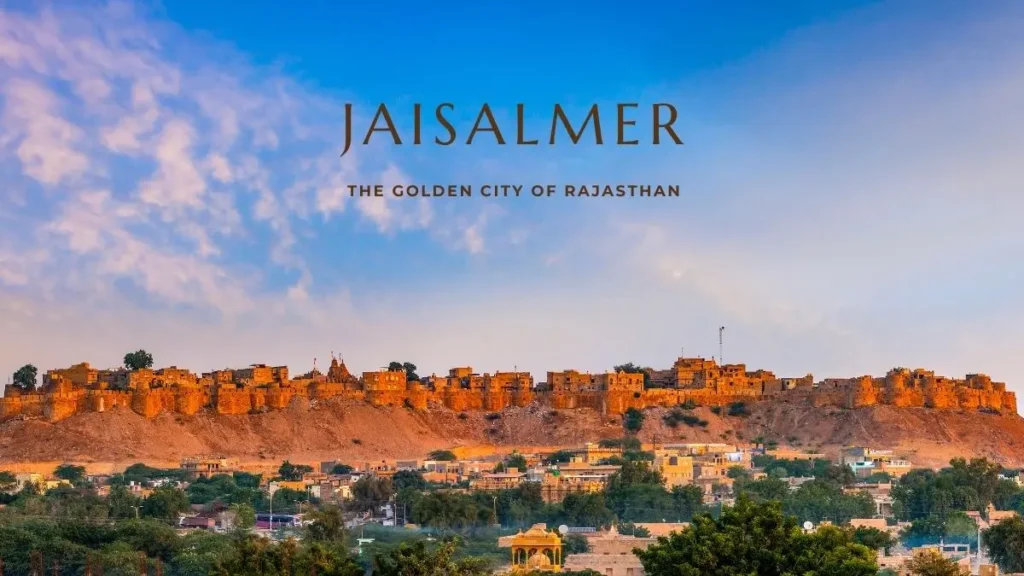
Introduction
Jaisalmer Fort, located in the heart of the Thar Desert, stands as one of the most remarkable heritage landmarks in India. Often called the golden fort, it rises from the sand like a living mirage and continues to attract travelers from across the world. This guide explores its beauty, history, and travel essentials, including golden fort, jaisalmer fort timings, jaisalmer fort history, living fort in india, sonargarh fort jaisalmer, and convenient travel options like jaisalmer sightseeing taxi for easy local exploration.
Unlike many historical structures, this fort is not just a monument but a thriving settlement where people still live and work. Its golden sandstone walls glow brilliantly during sunrise and sunset, making it one of the most photographed forts in the world.
Overview of Jaisalmer Fort
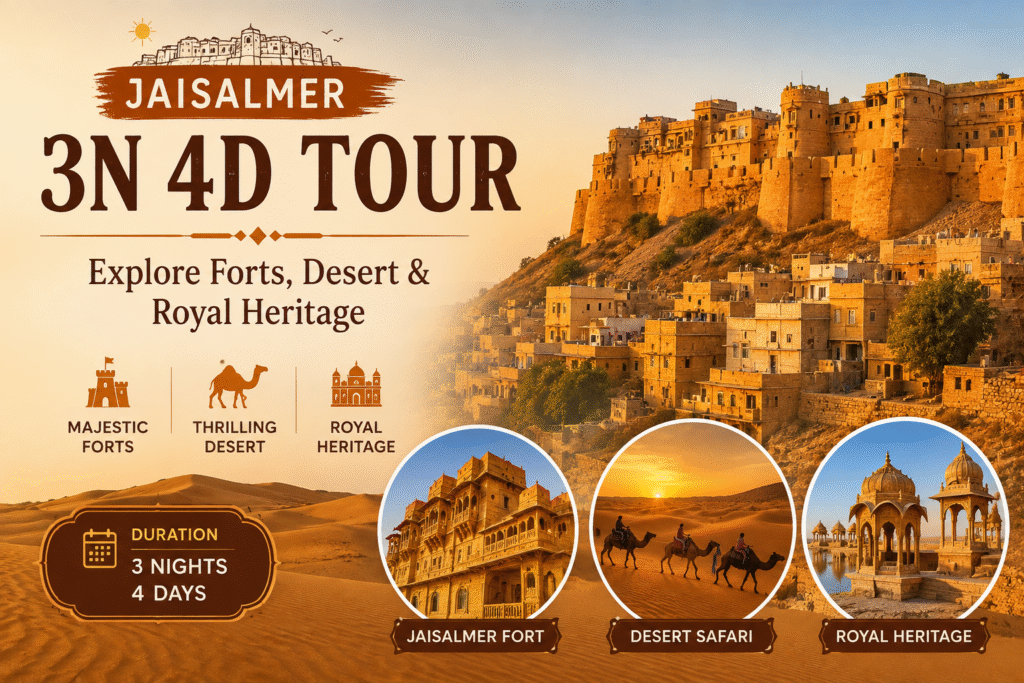
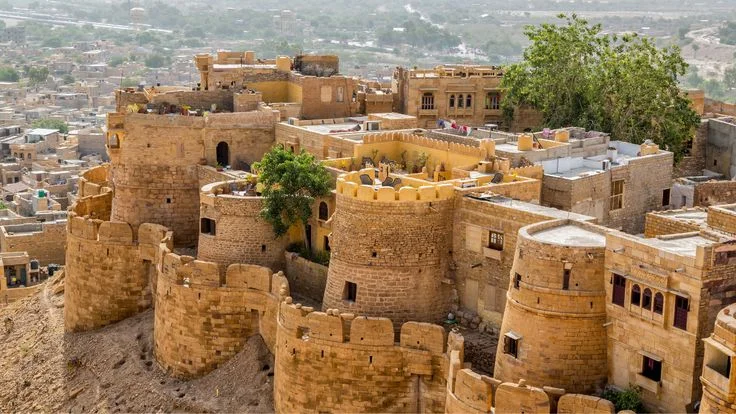
The structure known as the golden fort is one of the largest fully preserved fortified cities in the world. Built on Trikuta Hill, it overlooks the vast desert landscape and serves as a cultural hub even today. The fort houses temples, homes, shops, and ancient havelis within its walls.
The Jaisalmer fort’s history reflects centuries of Rajput valor and architectural brilliance. Built in 1156 AD by Rawal Jaisal, it has witnessed battles, trade prosperity, and cultural evolution. Its importance has made it a symbol of resilience in Rajasthan’s desert region.
The concept of a living fort in India is perfectly represented here, as thousands of residents still inhabit its narrow lanes. This unique feature makes it different from other forts, where life has faded over time.
History and Heritage of the Desert Citadel
The Jaisalmer fort’s history begins with the strategic importance of its location along ancient trade routes. Merchants traveling across the desert once used it as a major stop, contributing to the wealth and architecture of the region. Over centuries, rulers expanded its structures, temples, and defensive walls.
The golden fort became a stronghold for the Bhati Rajput dynasty. Its resilience against invasions and natural challenges showcases the engineering skills of the time. The fort has stood firm for nearly a millennium, surviving harsh desert conditions.
Sonargarh fort jaisalmer is often mentioned in local narratives as another reference linked to the golden heritage of the region, highlighting its cultural significance alongside Jaisalmer Fort.
The heritage here is not limited to stone structures. It is deeply connected to traditions, crafts, and desert lifestyles that continue to thrive within its walls.
Architecture and Living Culture Inside the Fort
The architectural brilliance of the golden fort is visible in its sandstone carvings, narrow pathways, and interconnected buildings. Designed to withstand desert heat, the fort’s structure keeps interiors relatively cool even during extreme summers.
The idea of living in a fort in India is best experienced here. People reside in centuries-old houses, operate shops, and maintain temples within the fort premises. This continuous habitation adds a vibrant cultural layer to the monument.
Within the fort, visitors can explore:
- Ancient Jain temples with intricate carvings
- Local markets selling handicrafts and textiles
- Traditional havelis showcasing royal architecture
- Residential areas still inhabited by local families
The presence of sonargarh fort jaisalmer in cultural discussions adds depth to the historical identity of the region, linking various desert fort traditions together.
The blend of history and modern life makes this fort a rare example of cultural continuity.
Visiting Information and Timings
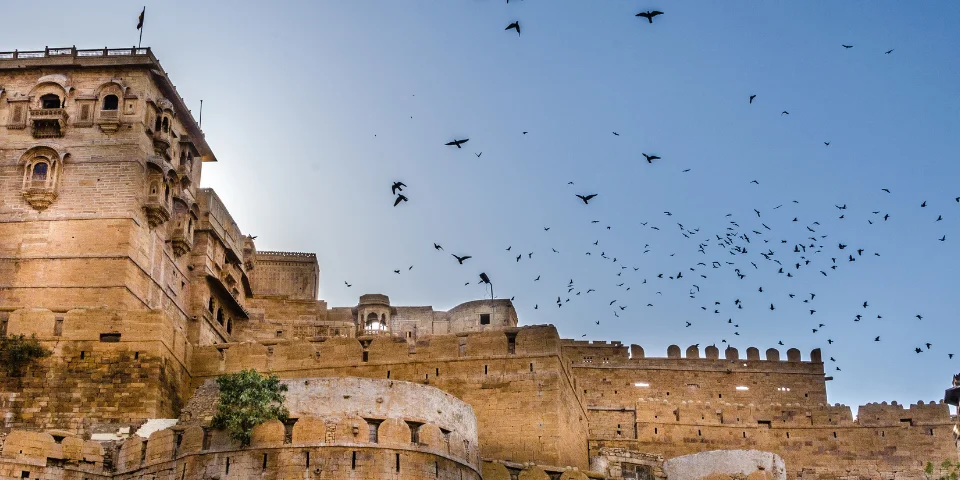
Travelers planning a visit must understand the practical details, especially jaisalmer fort timings. The fort is generally open throughout the day, allowing visitors to explore its courtyards, temples, and viewpoints at different times, and many visitors also prefer booking jaisalmer tour packages for a more organized travel experience.
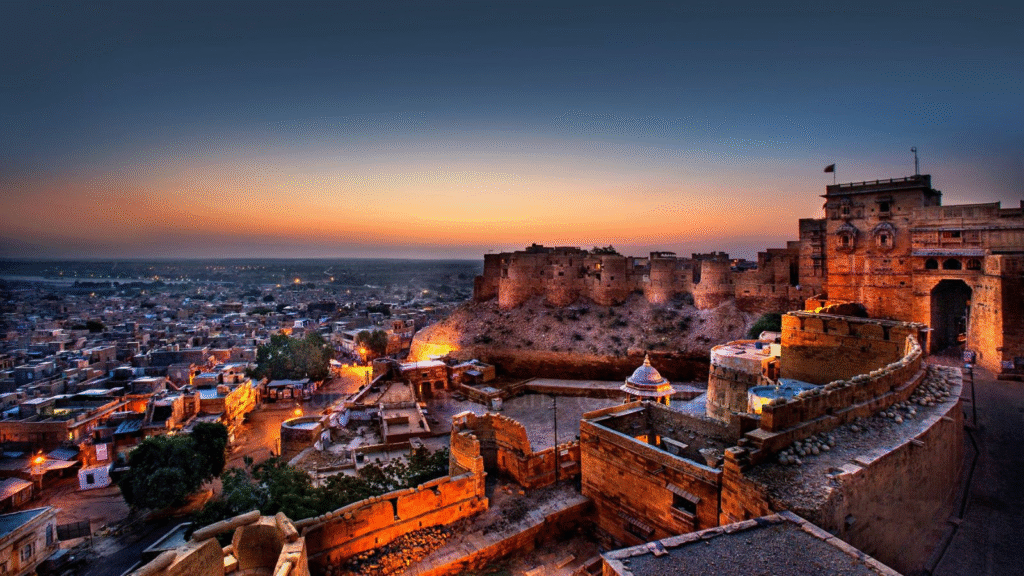
Morning visits offer a calm experience with fewer crowds, while evenings provide stunning views of the desert skyline. Photography enthusiasts often prefer early sunrise or sunset hours due to the golden glow of the fort walls.
For better planning, here are some travel insights:
- Entry is open for tourists all year round
- Early morning is ideal for peaceful exploration
- Afternoon visits are suitable for indoor attractions
- Evening views highlight the golden desert charm
The jaisalmer fort timings are designed to accommodate both tourists and residents, making it accessible while preserving its living environment.
The golden fort experience becomes even more memorable when visitors explore its streets slowly, discovering hidden temples and artisan shops
Travel Tips and Nearby Attractions
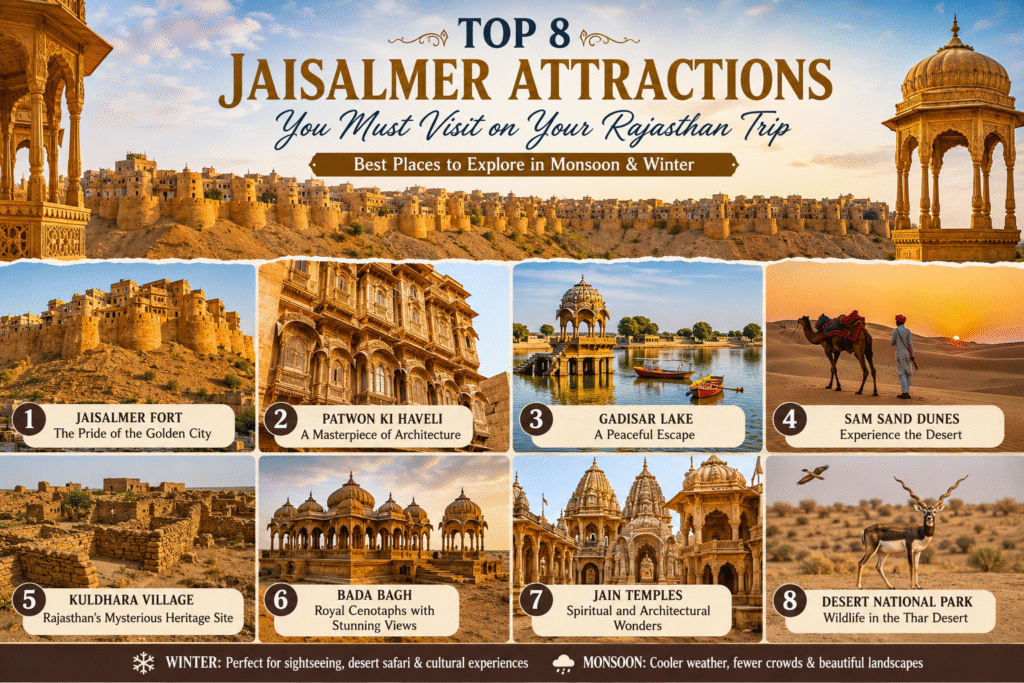
A visit to the golden fort becomes more enriching when combined with nearby attractions in Jaisalmer. The desert city offers cultural and adventure experiences that complement the fort visit.
Recommended travel tips:
- Wear comfortable footwear for walking on stone pathways
- Carry water due to the desert climate
- Hire a local guide for historical insights
- Respect residential areas within the fort
Nearby attractions include desert camps, sand dunes, and cultural villages. Exploring Jaisalmer fort history alongside these places helps travelers understand the region’s deeper heritage.
The fort is also a great starting point for exploring sonargarh fort jaisalmer references in local storytelling, which adds a broader cultural dimension to the journey.
The concept of a living fort in India becomes clearer when you explore the surrounding desert lifestyle, camel caravans, and traditional performances that still thrive in the region.
Conclusion
Jaisalmer Fort remains one of the most extraordinary heritage destinations in India. Its identity as the golden fort reflects both its physical appearance and its cultural richness. From its deep Jaisalmer fort history to its vibrant present as a living fort in India, it continues to inspire travelers worldwide, along with services offered by this tour operator in jaisalmer
Understanding jaisalmer fort timings helps visitors plan a meaningful trip, while exploring sonargarh fort jaisalmer references enriches the historical narrative of the region. The fort is not just a monument but a living ecosystem where history and daily life exist together.
For anyone traveling to Rajasthan, this desert marvel offers an unforgettable experience that blends architecture, heritage, and living culture into one timeless destination.