
Discover Umaid Bhawan Palace: Rajasthan’s Iconic Royal Gem

Exploring Bada Bagh: The Historic Royal Memorials of Jaisalmer
June 13, 2026
Discover Jaipur: Best Tourist Attractions You Shouldn’t Miss
June 24, 2026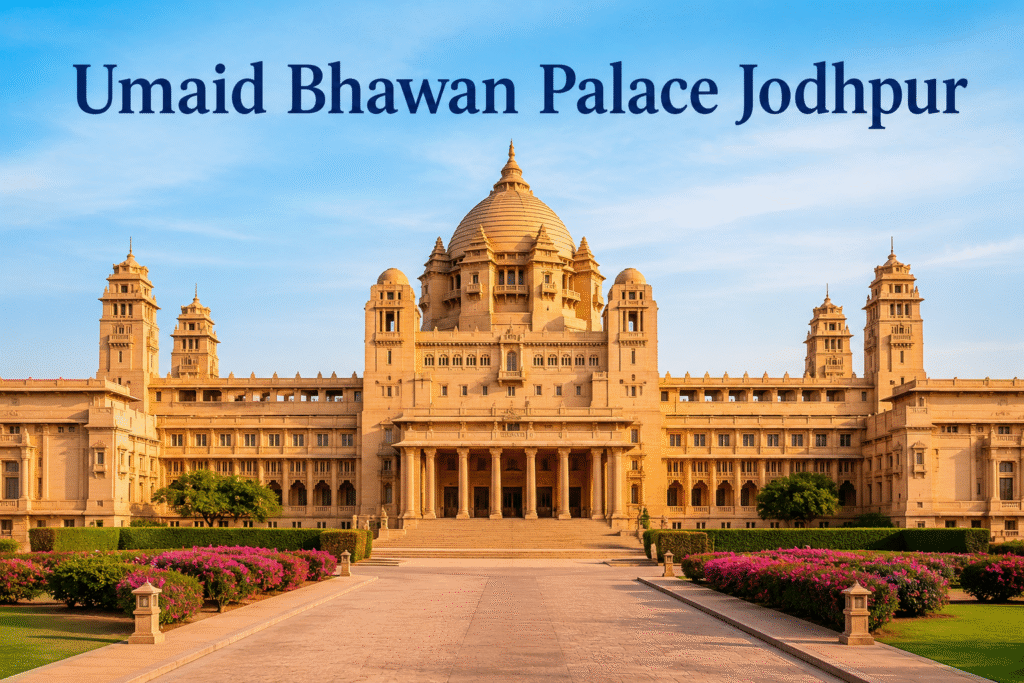
Rajasthan is known for its magnificent forts, grand palaces, and rich royal heritage. Among its many architectural wonders, Umaid Bhawan Palace stands out as one of the most remarkable landmarks in India. Located in the beautiful city of Jodhpur, this magnificent palace represents luxury, history, and royal elegance. Built during the reign of Maharaja Umaid Singh, the palace remains an iconic symbol of Rajasthan’s glorious past and continues to attract visitors from around the world. Travelers exploring the state’s cultural treasures often include destinations like Jodhpur alongside a memorable jodhpur sightseeing tour, creating a complete Rajasthan travel experience filled with royal architecture, vibrant traditions, and historic landmarks.
Whether you are a history enthusiast, architecture lover, or traveler seeking a royal experience, Umaid Bhawan Palace offers an unforgettable journey into the heritage of Jodhpur.
Umaid Bhawan Palace
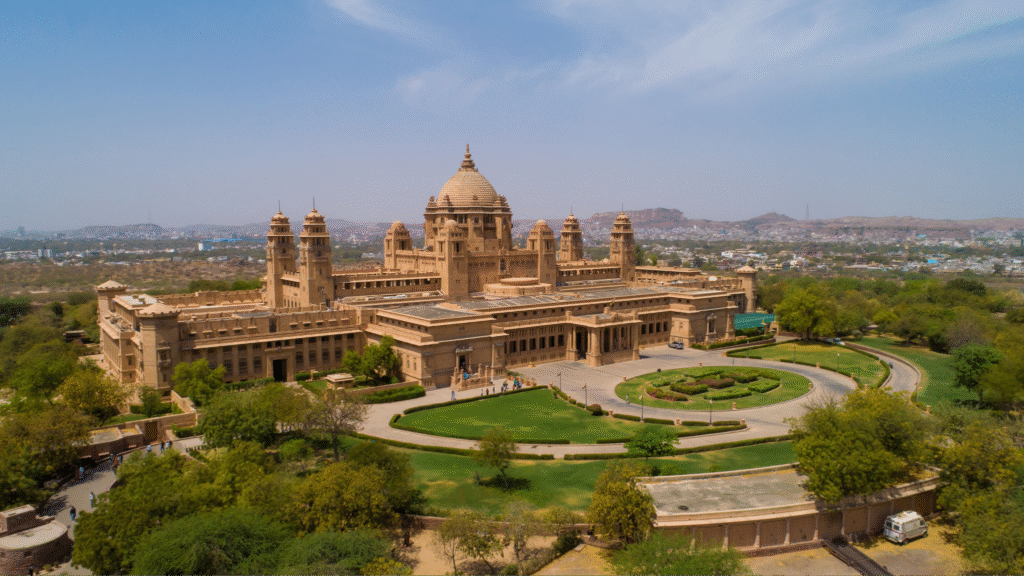
Perched on Chittar Hill, the highest point in Jodhpur, Umaid Bhawan Palace is one of the largest private residences in the world. The palace was designed by British architect Henry Vaughan Lanchester and is a stunning example of Art Deco architecture blended with traditional Indian design elements.
Construction of the palace began in 1929 and was completed in 1943. It was built to provide employment to thousands of local people during a severe famine that affected the region. The project not only offered economic relief but also resulted in one of the most beautiful palaces in India.
Today, the palace is divided into three sections:
- A luxury heritage hotel
- The residence of the former royal family
- A public museum for visitors
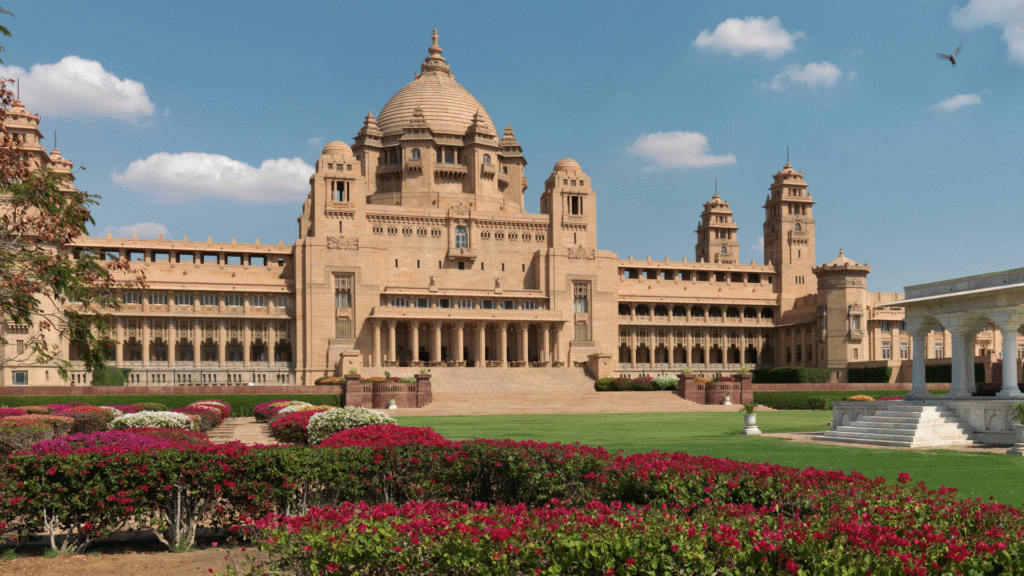
The palace is built using golden-yellow sandstone, which gives it a majestic appearance, especially during sunrise and sunset. Its impressive dome, beautifully landscaped gardens, elegant interiors, and grand courtyards make it a masterpiece of architecture.
Visitors are often amazed by the palace’s:
- Massive central dome
- Beautiful marble flooring
- Antique furniture
- Royal artifacts
- Magnificent banquet halls
- Elegant staircases
The palace perfectly combines luxury and heritage, offering a glimpse into the royal lifestyle of Rajasthan.
Umaid Bhawan Palace Museum Jodhpur
One of the most popular attractions within the palace complex is the Umaid Bhawan Palace Museum Jodhpur. The museum allows visitors to explore the rich history of the royal family and gain insight into the cultural heritage of Jodhpur.
The museum showcases a fascinating collection of historical items, including:
- Vintage clocks from different periods
- Royal photographs
- Weapons and hunting trophies
- Antique furniture
- Ceramics and decorative pieces
- Royal memorabilia
- Model aircraft and automobiles
One of the highlights of the museum is the collection of classic vintage cars. These beautifully preserved vehicles reflect the luxurious lifestyle enjoyed by the royal family during the early twentieth century.
The museum also features exhibits that tell the story of the palace’s construction and its importance in the history of Jodhpur. Visitors can learn about the architectural planning, craftsmanship, and efforts involved in creating this grand structure.
The well-maintained galleries provide a detailed overview of royal traditions, making the museum a must-visit destination for anyone interested in Rajasthan’s heritage.
Photography enthusiasts will find plenty of opportunities to capture stunning views of the palace grounds, gardens, and architectural details.
Umaid Bhawan Palace Timings and Entry Fee
Visitors planning a trip should be aware of the Umaid Bhawan Palace timings and entry fee before arriving. The museum section of the palace is generally open throughout the week, allowing tourists to explore its fascinating collections and beautiful surroundings.
Typical visitor information includes:
- Open on all days of the week
- Morning opening hours
- Afternoon closing hours
- Separate entry fees for Indian and international visitors
- Additional charges may apply for photography in certain areas
Since ticket prices and visiting schedules can change over time, travelers are advised to confirm current details before their visit.
To make the most of the experience, visitors should consider arriving early in the day. Morning visits offer pleasant weather and fewer crowds, allowing ample time to explore the museum and admire the palace architecture.
Helpful tips for visitors:
- Carry a camera for photographs.
- Wear comfortable footwear.
- Allocate at least one to two hours for exploration.
- Follow museum guidelines and photography rules.
- Visit during cooler months for a more comfortable experience.
The palace gardens and exterior areas provide excellent opportunities for sightseeing and photography, making the visit enjoyable for people of all ages.
Umaid Bhawan Palace History
The fascinating Umaid Bhawan Palace history reflects a period of resilience, vision, and royal leadership. During the late 1920s, the region faced a severe drought and famine that affected the livelihoods of thousands of people.
Maharaja Umaid Singh decided to initiate the construction of a grand palace to create employment opportunities for local residents. The project provided work to thousands of laborers, craftsmen, and artisans over many years.
Construction began in 1929 and continued until 1943. The palace was named after Maharaja Umaid Singh in recognition of his contribution to the welfare of the people.
Several notable facts make the history of the palace particularly interesting:
- It was built as a famine relief project.
- Construction took approximately 15 years.
- Thousands of workers were employed during its development.
- It became one of the largest private residences in the world.
- The palace reflects a unique blend of Indian and European architectural styles.
The structure was built using sandstone without extensive use of modern construction techniques, showcasing exceptional craftsmanship and engineering skills.
Following India’s independence, the palace remained associated with the royal family of Jodhpur. Over time, part of the palace was transformed into a luxury heritage hotel while preserving its historical significance.
Today, Umaid Bhawan Palace serves as a living symbol of Rajasthan’s royal legacy. It continues to attract travelers, historians, architects, and culture enthusiasts from across the globe.
Conclusion
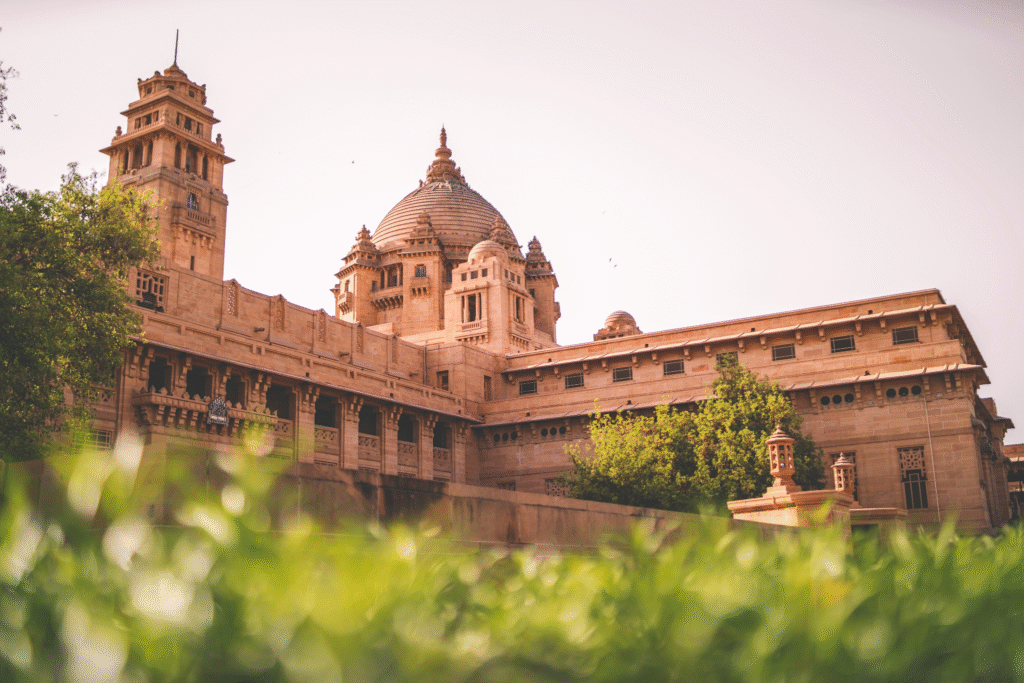
Umaid Bhawan Palace is far more than a royal residence; it is a symbol of heritage, architectural excellence, and humanitarian vision. Its magnificent design, fascinating museum, historical significance, and luxurious surroundings make it one of the most iconic attractions in Rajasthan.
From exploring the Umaid Bhawan Palace Museum Jodhpur to learning about the remarkable Umaid Bhawan Palace history and understanding the Umaid Bhawan Palace timings and entry fee, visitors can enjoy a rich and memorable experience. A visit to this extraordinary palace offers a unique opportunity to step into the grandeur of Rajasthan’s royal past while appreciating one of India’s finest architectural treasures. If you are planning to explore more of Rajasthan, including Jaipur’s historic attractions and cultural landmarks, Heritage Tours and Travels, a trusted travel agency in jaisalmer can help you create a well-planned itinerary. Their travel services make it easier to discover the royal heritage, architectural wonders, and unforgettable experiences that Rajasthan has to offer.